

This is a longer version of a presentation I gave at the Religious Trauma Symposium at Harvard a few weeks ago. The event aimed to shed light on the genuine concerns and experiences that individuals within religious communities, particularly fundamentalist groups, have faced. It also fostered dialogue between academic and clinical communities to explore effective ways of addressing the needs of those who are suffering.
The presentation here is an ongoing development of a paradigm for comprehending the trauma that arises within a religious context, particularly when individuals leave the structure it provides. This is not to mean that trauma doesn’t occur within religious environments, as it most certainly does, and such destabilizing elements further the identified difficulties that lead to and are then heightened when leaving. These difficulties are exacerbated by the degree to which the religious community exhibits control over various areas of a person’s life. That degree of control is, to me, the definitive element that differentiates a religion from a cult.
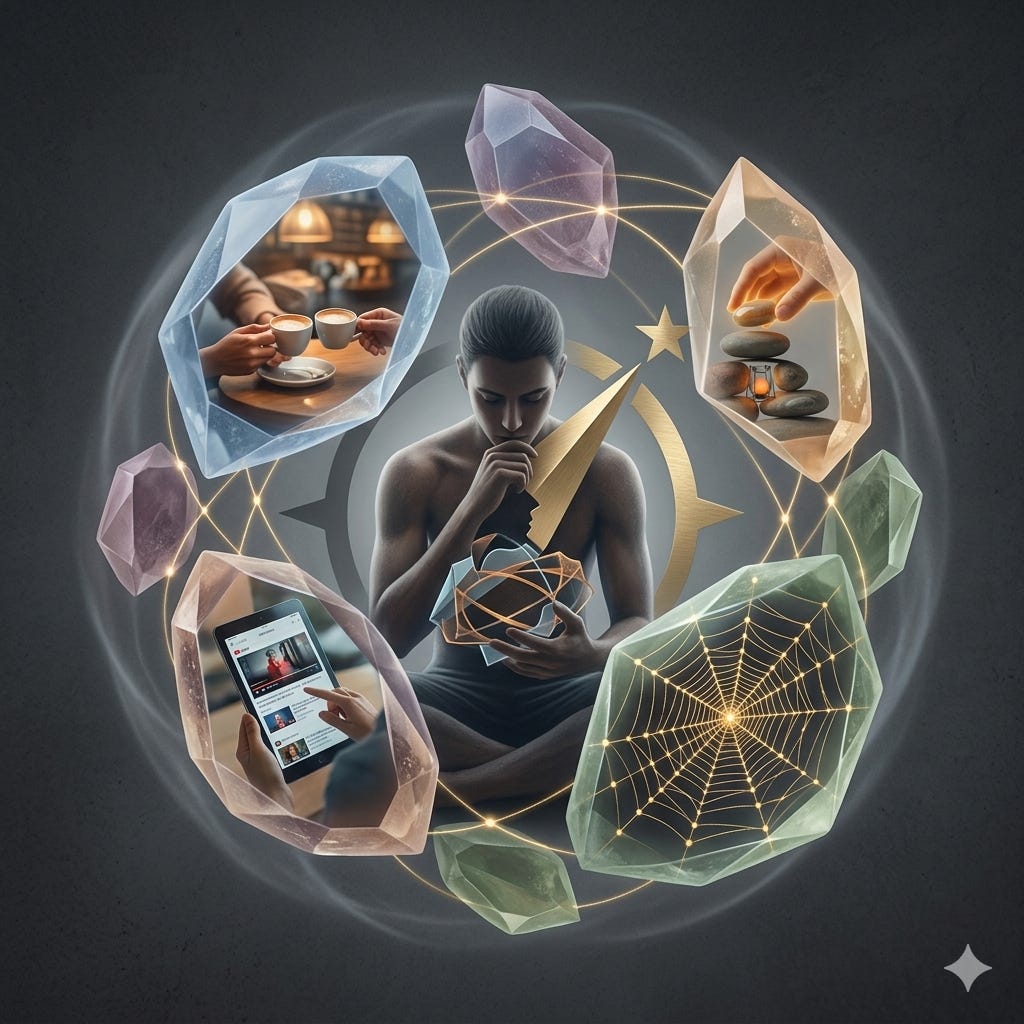
The development of this paradigm is also not solely connected to trauma that occurs within a religious context. It is an attempt to provide a means of understanding what happens anytime a person’s worldview is threatened and/or undergoing change. Our brains, fundamentally operating as predictive biological machines, are constantly running potential scenarios to manage resources and test reality. Religion simply exists on one end of a spectrum for the disruption that occurs, but it is not the only structure for which disruption happens.
Challenging what we believe is an essential component of an emotionally fulfilling life, and the discomfort that arises from doing so serves as a poignant reminder that our minds are perpetually in need of continuous growth and resilience.
Follow me on Threads or Instagram for more psychology, humor, and photography.
Schedule a Consultation
Reach out to schedule a mental health session regarding issues related to religious trauma, meaning/purpose, and the struggles of communication.
How You Can Support the Newsletter
This post was free to read for all. If you like what I’m doing with The Humanity’s Values Newsletter, and want to support my work, there are several ways you can do it.
Like and Restack: Click the buttons at the top or bottom of the page to boost the post’s visibility on Substack.
Share: Send the post to friends or share it on social media.
Upgrade to Paid: A paid subscription gets you:
Full access to all new posts and the archive
Full access to all online classes on psychology and religious trauma
Full access to exclusive content such as weekly presentations on various topics of psychology and religion
The ability to post comments and engage in chat with the growing Humanity’s Values Newsletter community
If you could do any of the above, I’d be very grateful. Readers like you help keep this newsletter going and growing.
Thanks!
David


